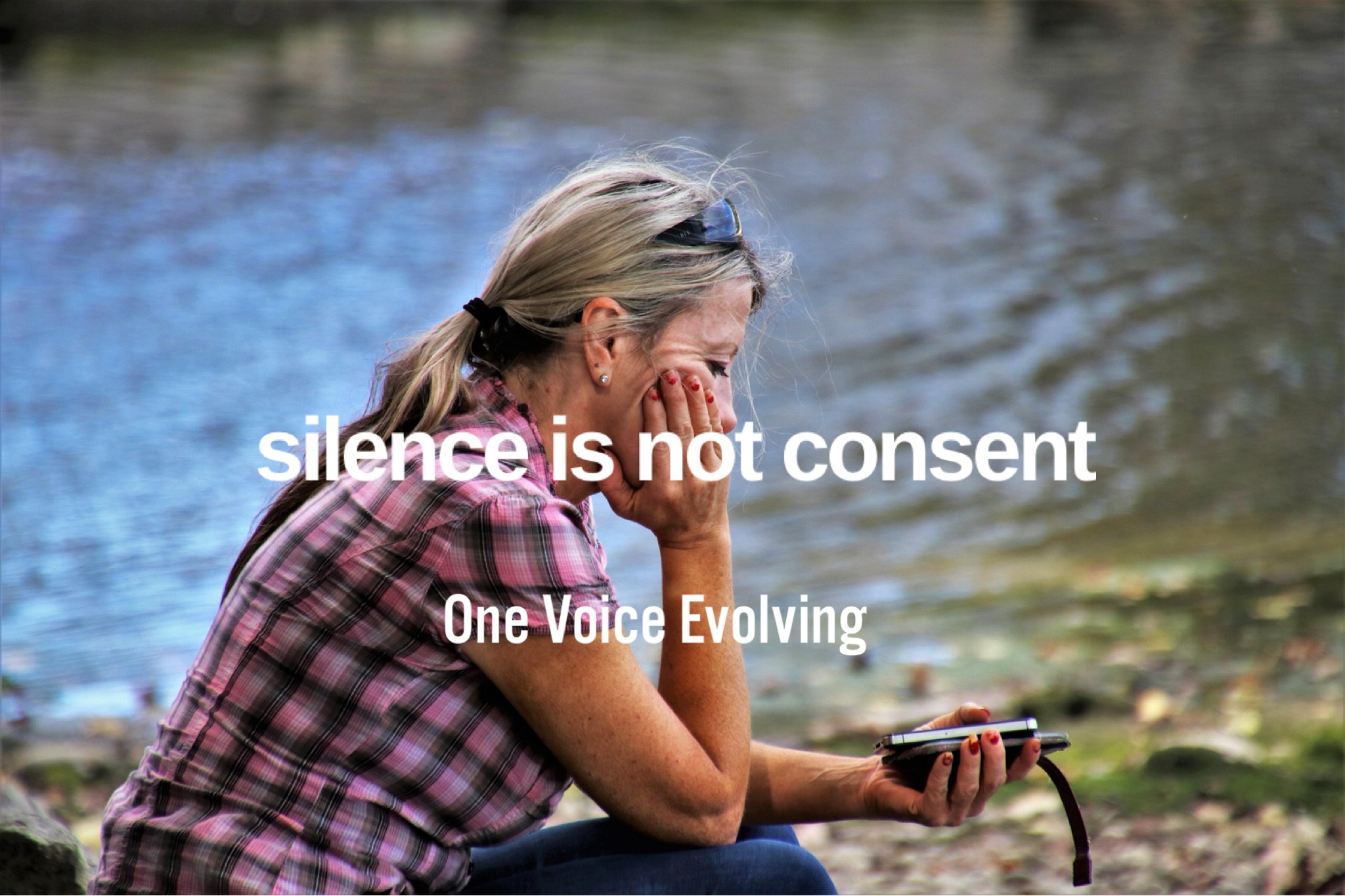
When the Story You Tell Yourself is a Lie
When the story you tell yourself is a lie, harm follows—regardless of your intention.
Most of us want to be judged by what we meant to do, not by what actually happened. We say, I didn’t mean any harm. We insist on our good intentions as if they should absolve us of the outcomes they produced.
But harm doesn’t care about intent. I learned this the hard way.
For years, people in my family believed something about me that was not true. They believed it sincerely. It was seeded by a manipulative father during a divorce, repeated by others, and absorbed as fact. I didn’t know the story existed, so I never challenged it. I lived my life quietly, privately, assuming that truth would speak for itself.
It didn’t.
That false story shaped how I was interpreted. It reframed my life choices as pathology. It justified distance. It informed decisions about trust, access, and relationship—decisions that affected not just me, but my grandchildren.
No one involved thought they were doing harm. They were acting on what they believed to be true. They meant well. And still—harm was done.
This is the part we resist:
Believing a lie does not make us innocent of its consequences.
We want grace for our intentions while asking others to bear the cost of our actions. We want absolution without repair. We want to be seen as “good people” even when our choices, based on faulty narratives, cause real damage.
That impulse doesn’t stop at the family level. There is a direct through line between personal mythmaking and collective collapse.
When a society tells itself a story that isn’t true about who is dangerous, who is unstable, who is unfit, or who needs to be controlled, people act on that story.
Policies get written. Rights get stripped. Violence gets justified. And all of it is done by people who insist they are simply protecting order, tradition, or safety.
This is how authoritarianism grows. Not through cartoon villains, but through ordinary people acting on unexamined beliefs and demanding moral credit for their intentions.
We are watching it happen in real time in the United States.
We tell ourselves stories about “law and order,” about “mental illness,” about “family values,” about “protecting children.” We rarely interrogate where those stories came from, who benefits from them, or whose humanity they quietly erase.
And when harm results, we rush to defend ourselves: “That wasn’t what I meant.” “You’re overreacting.” “We didn’t know.”
But not knowing is no longer an excuse in the age of information. And intention has never been a shield against accountability.
We are responsible, not just for the stories we tell but for the stories we accept without question.
We are responsible for the harm that flows from beliefs we never bothered to examine because they were convenient, familiar, or protective of our identity.
Repair doesn’t begin with defensiveness. It begins with humility. With the willingness to say “If this story isn’t true, I need to know.” “If my belief caused harm, I need to face that.” Or “If I acted in good faith but produced damage, I still have work to do.”
That’s as true in families as it is in nations.
Silence, politeness, and “good intentions” are not neutral. They create vacuums where lies grow roots. And once those lies harden into shared reality, untangling them becomes painful, but necessary.

When false stories take hold—about who we are, what we’re worth, or how the world works—the damage isn’t always loud. Sometimes it’s quiet. Internal. A slow drifting out of alignment with our own truth. And just as unexamined beliefs can fracture families and nations, they can also fracture us from the inside out.
Which is why this conversation matters:

In this episode, Kim sits down with Taryn LaRae Gordon—life speaker, business strategist, and creator of the Divine Alignment Framework—to explore what it takes to rebuild after the ground has given way beneath you. Taryn shares how the loss of her father became a catalyst for a deeper spiritual reckoning, what divine alignment looks like beyond the buzzwords, and how living by inherited or unconscious narratives can quietly steal your joy.
Find it HERE
